
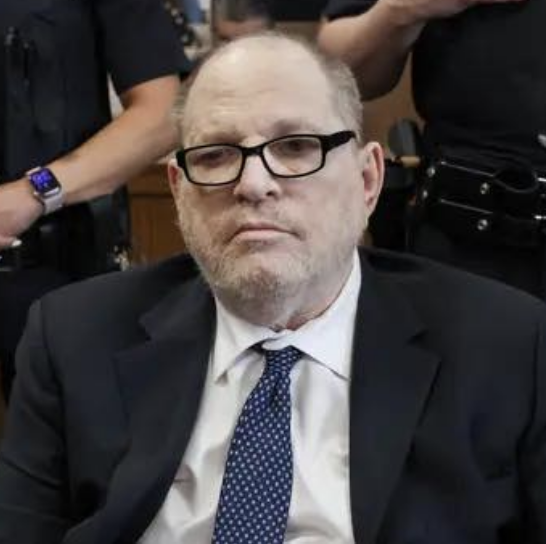
Harvey Weinstein’s third New York trial concluded in a mistrial on Friday after a Manhattan jury failed to reach a unanimous verdict on rape charges brought by Jessica Mann relating to an incident in 2013.
The trial, held in Manhattan, highlighted the ongoing legal challenges faced by the former film producer amid his other convictions and appeals.
Jury Unable To Decide
During their third day of deliberations, jurors informed Judge Curtis Farber that they were deadlocked. Despite the judge’s urging to continue deliberations, he declared the jury “hopelessly deadlocked” and ended the proceedings without a verdict.
Background On Allegations
The trial focused on claims that Weinstein raped aspiring actress Jessica Mann in a Manhattan hotel room in 2013. Weinstein pleaded not guilty, denying all accusations of non-consensual sex and assault.
Previous Convictions Overturned
Weinstein was initially convicted in 2020 of raping Mann and assaulting another woman, Miriam Haley, receiving a 23-year sentence. However, New York’s highest court overturned this verdict, ruling that Weinstein did not receive a fair trial.
In a related case, he was convicted of sexually abusing Haley in 2025 but acquitted on other charges.
Ongoing Legal Battle
Weinstein, aged 74, is already serving a 16-year sentence in California for a separate rape conviction, which is also under appeal. The Manhattan charges remain unresolved following this mistrial, with potential sentencing pending for the Haley case.
Impact on the MeToo Movement
The allegations against Weinstein helped fuel the #MeToo movement, encouraging victims of sexual misconduct to speak out against powerful figures in entertainment and beyond.
Despite the mistrial, these cases continue to highlight issues of consent and justice in high-profile sexual offence trials.
Originally published by UKNIP.