
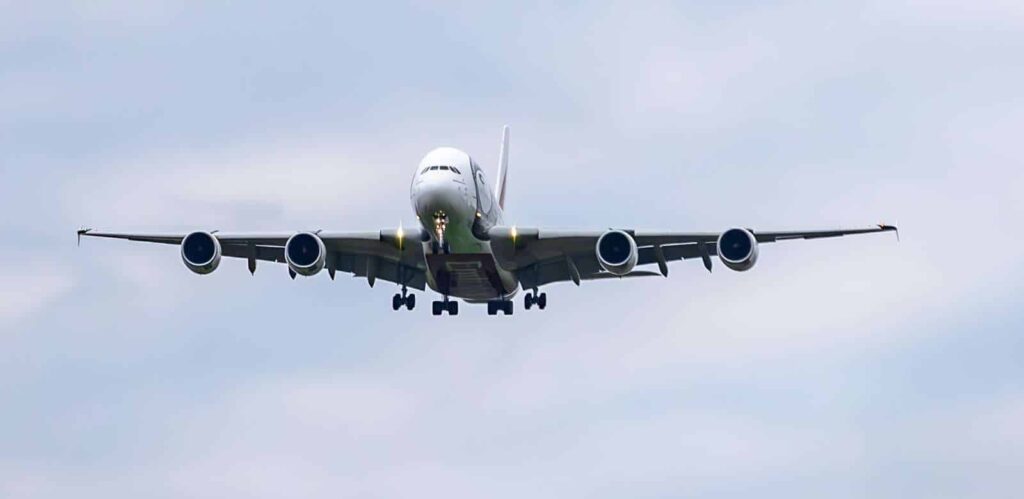
The UK government is moving forward with the Civil Aviation Bill, a significant legislative update designed to deliver faster flights and stronger passenger protections across the country. Currently under review in Parliament, the Bill equips the Civil Aviation Authority (CAA) with enhanced enforcement powers to take action against airlines and airports that fail to uphold passenger rights.
Stricter Passenger Protections
The new legislation targets airlines and airports that do not provide adequate support during delays or cancellations, or fail to assist disabled travellers properly. These entities could face financial penalties under the Bill. Aviation Minister Keir Mather highlighted the importance of the Bill in holding the aviation industry accountable, aiming to provide “faster, more efficient flights” while safeguarding passenger rights.
Modernising UK Airspace
A major component of the Bill is the redesign of UK flight paths, including those at key airports such as Heathrow and Gatwick. This redesign seeks to reduce delays, minimise aircraft holding times, and lower noise and air pollution. The UK Airspace Design Service is currently mapping out these changes, which are expected to be implemented from the mid-2030s. The goal is to prevent aviation delays from increasing by 200% by 2040 as forecasted.
Boosting Aviation Safety
The Bill also grants the CAA greater flexibility to update safety regulations quickly in response to new technologies and international standards. This ensures that the UK aviation sector remains at the forefront of safety advancements.
Industry Backing
The proposed reforms have received support from the Civil Aviation Authority, Airlines UK, and Airports UK. These organisations view the changes as essential for improving flight efficiency, resilience, and promoting sustainable growth within the aviation sector.
Travel Update
Introduced in the King’s Speech in May, the Civil Aviation Bill is currently at its Second Reading stage in Parliament. If approved, it will represent one of the most substantial updates to UK aviation law in recent decades, benefiting millions of passengers each year.
Originally published by UKNIP.